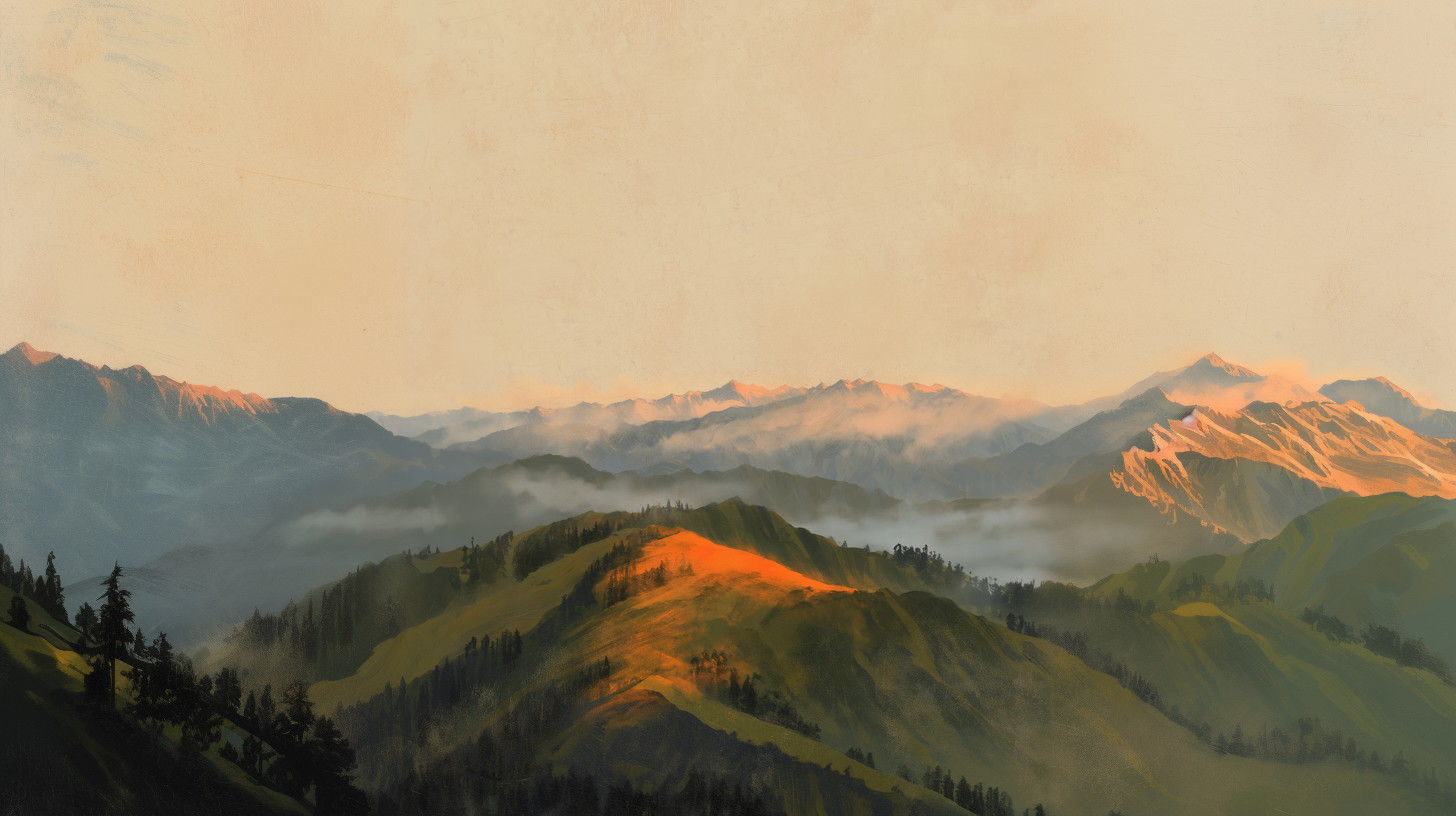
Shaped around land, food and community stewardship
Nilsar is a planning-stage project in Kashmir. A low-density hospitality place where landscape, food culture, local livelihoods, and long-term care of land are treated as one system.
A low-density place shaped for continuity, stewardship, and local relevance.
We are interested in a form of development that is commercially serious, visually restrained, and structurally tied to the health of its surroundings.
Low density over spectacle
Fewer things, built with more care, are more believable here than scale dressed up as refinement.
Place over formula
Kashmir should shape the project. The project should not impose a generic hospitality language onto Kashmir.
Stewardship over extraction
The project should justify its presence by improving relationships between land, work, food, and local identity.
"The project should feel as though land, food, work, and culture belong to one another again."
Let slope, water, ecology, and access decide what should be built, what should remain light-touch, and what should remain protected.
Food should not only serve guests. It should support relationships, memory, local demand, and local economic dignity.
Tradition should appear as living practice, not costume. That applies to bread, gardens, craft, and service ritual.
The project has to work well enough commercially to sustain quality, care, and decades of commitment in Kashmir.
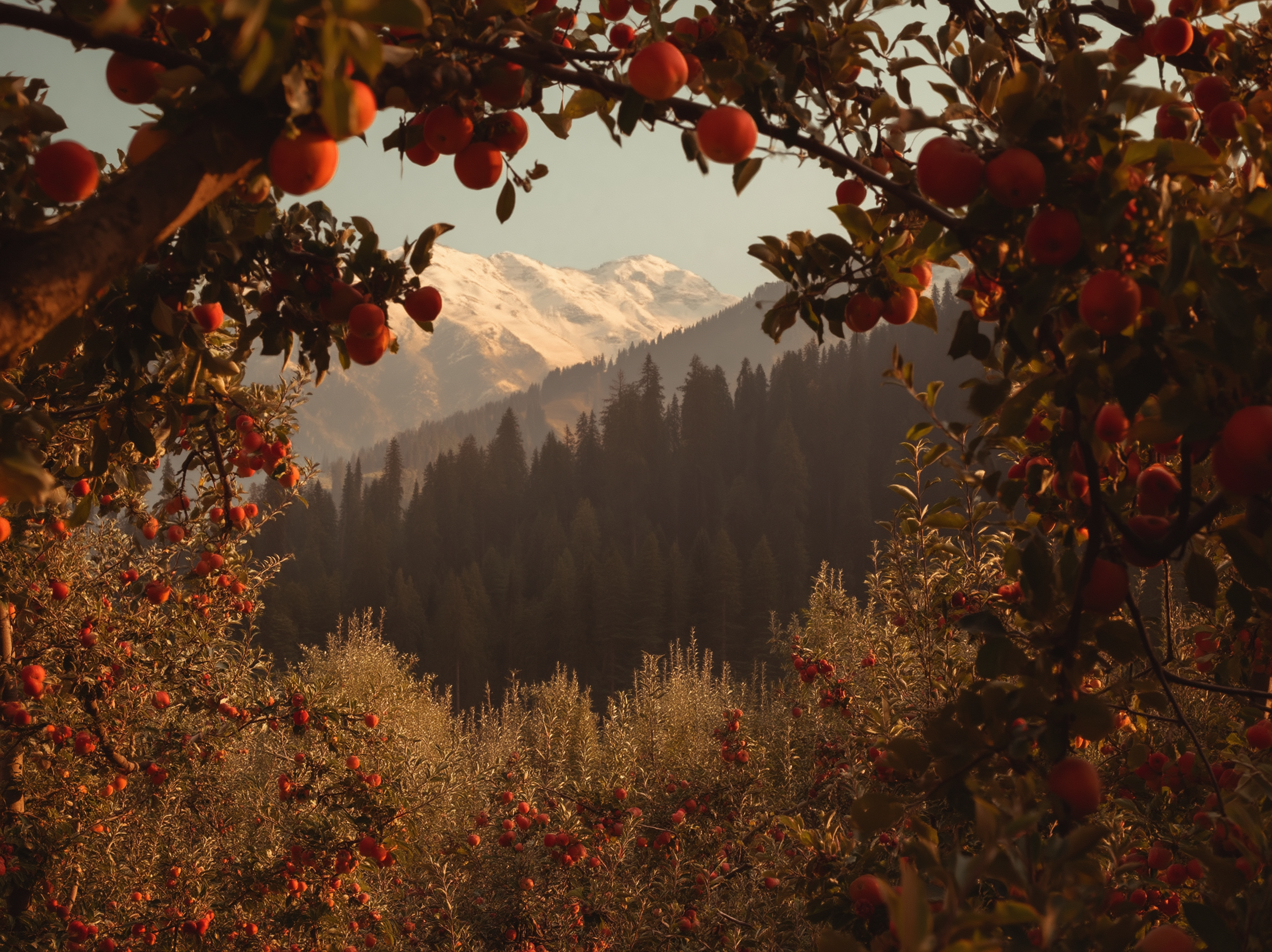
A food backbone shaped around orchards, kitchen gardens, and the kandurwan bread tradition.
Nilsar — Food & LandFood, cultivation, and hospitality working as one ecosystem.
One of the clearest expressions of the project is its food backbone: cultivation, bread, seasonal produce, preservation, and hospitality working together in a way that keeps land, daily life, and local knowledge visibly connected.
Explore the food philosophy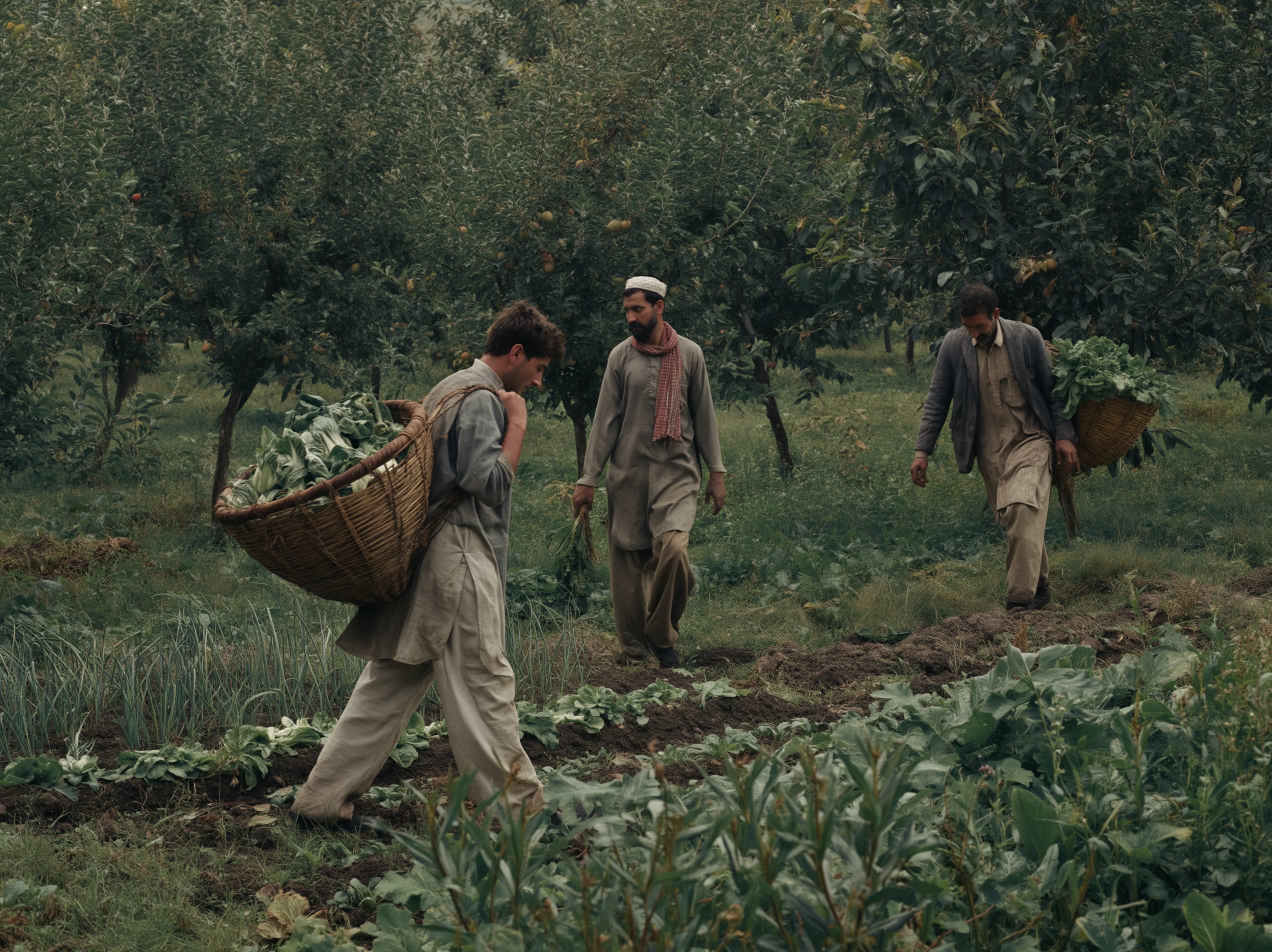
Community benefit designed into hiring, food systems, and land care.
Nilsar — CommunityThe project should strengthen the surrounding place, not stand apart from it.
Community benefit cannot be a decorative afterthought. It has to be designed into how Nilsar hires, buys, grows, builds, and operates.
Service, bakery, guiding, landscape care — real pathways for local capability, with women's employment as the primary commitment.
Direct buying relationships with village farms and orchards. Traceable supply, fair prices, genuine provenance.
Managing site resources for long-term ecological health. Regenerative soil practices. The river edge held without hard development.
Reflections on building a place.
Why we chose not to build a hotel
The single most important architectural decision at Nilsar was to scatter individual cottages across the hillside rather than build a hotel. Here is why.
The bread before the guest
The kandurwan — Kashmir's traditional clay bread oven — will be firing at Nilsar before the first guest arrives. That sequence matters.
What 'strengthen or weaken the place' actually means
Every significant decision at Nilsar is tested against one question. Here is how we apply it in practice.
A place in formation.
Nilsar is in its planning year. Land assembly is progressing, the design brief is with the architect, and the orchard programme has begun. We are building this carefully and in public.
"Does this strengthen or weaken the place?"